|
| Red light camera |
"This program was originally sold as being about safety," Brandes said. "I have come to believe that it's now about revenue."
Of the $158 collected from every citation, the state takes $83. The remaining $75 is split between the municipality and the camera vendor.
Between July 2012 and June 2013, according to the Florida Department of Revenue, the cameras produced about $62.5 million for the state.
The biggest player, by far, is American Traffic Solutions, a Tempe, Ariz.-based company that operates cameras in about 70 cities and counties in the state, including Miami, Tampa, New Port Richey, St. Petersburg and Fort Lauderdale. It has 24 lobbyists working for it in Tallahassee.Guess who is among the largest lobbying firms for the 2013 State of Florida legislative term? American Traffic Solutions. They have 24 registered lobbyists in Tallahassee.
Think they might be looking to grow the business by ticketing more drivers?
Is this what we call a "Public-Private Partnership"?
The Trib, clearly reacting to Brandes proposal, yet again comes down on the wrong side of the liberty question, this time on red light cameras.
The evidence in Tampa is pretty persuasive. The number of accidents at intersections with red light cameras is down nearly 30 percent, the number of citations for running red lights at those intersections is decreasing, and police say motorists are changing their driving habits for the better.Well at least they are consistent against your civil liberties, as they decided last week we needed more camera surveillance, which we questioned their judgement last week.
The city has every reason to continue, or perhaps even expand, its use of the technology.
Why did the Trib not highlight some real data? One really cannot draw any real conclusions from a statement "The number of accidents at intersections with red light cameras is down nearly 30 percent" without understanding the time frames they are citing. Was it a year? A month? A day? How was the data controlled for other variations... such as weather, time of day, holidays etc.? What is the source? Even if there is a statistical correlation, without proper controls, that may not prove that more red light cameras were the direct cause for a reduction in accidents.
Elsewhere, the Tampa Bay Times reports different stats:
In the six months before the city of Port Richey installed red light cameras on U.S. 19 at Grand Boulevard, authorities reported just two motor vehicle crashes at the intersection. Two years later, that number had jumped 700 percent to 14 accidents over the same six-month period.
The statistics show that it is time for two west Pasco cities to drop the pretense of red light cameras being about enhanced public safety. A report this month from Pasco County revealed a significant drop in accidents at only one of nine intersections equipped with the cameras along U.S. 19 in the cities of Port Richey and New Port Richey. And, overall, the data show an increase in crashes when taking into account vehicles skidding on wet pavement, drunken or distracted drivers or other contributing factors.
"We're not saving anything, in terms of making it safer, as far as red light cameras go,'' Commissioner Jack Mariano correctly surmised after being briefed on the report at a Metropolitan Planning Organization meeting.Given the Trib's proclivity for surveillance, if we all had cameras in our cars all the time for Them to monitor, we could further reduce traffic violations, crime, ... and privacy. Oh, never mind.
The cameras are not without flaws. As with any technology, there were bugs to work out. Lawmakers last year, led by a bill Brandes championed, made tweaks in the law that made the appellate process fairer and eased the rules for motorists turning right on red.Actually, the "tweaks" apparently made things worse:
Attempts at reform didn't go entirely as planned. State legislators complicated the appeals process by forcing local governments to set up an appeals process or hire special magistrates to hear cases, while putting additional costs on drivers challenging their tickets.Of course, red light cameras are money makers for the local jurisdictions. They're incented to keep it that way.
We are not technophobes. We are for using new and interesting technologies, but we draw a line when it encroaches... or even can encroach, on our privacy, and our right to be left alone. We're certainly not for more running of red lights. Perhaps we could alter the technology such that if the driver runs a red light, the get a mild shock or buzz in the steering wheel, or use a gamification (using a simple score keeping to encourage certain behaviors) coupled with smartphones for safe driving with some rewards or recognition.
Insurance companies are offering safety monitor devices for further discounts, if you're OK with your insurance company monitoring your driving. That's up to you. It can benefit you, but not the state or municipal government. Or American Traffic Solutions.
Red light cameras from a technology point of view are revenue cash cows and productivity enhancers (fewer police or deputies needed to write more tickets!) for the municipalities. I expect any moment now we'll see reduction in the Tampa Police and Hillsborough County Sheriffs budgets and staffing since they are obviously doing more with less. Right?
Hillsborough County Public Safety, including the Sheriff's department, is already is by far the largest department according the Hillsborough County budget. And they want more, apparently.
 |
| Hillsborough County proposed 2014 budget |
 |
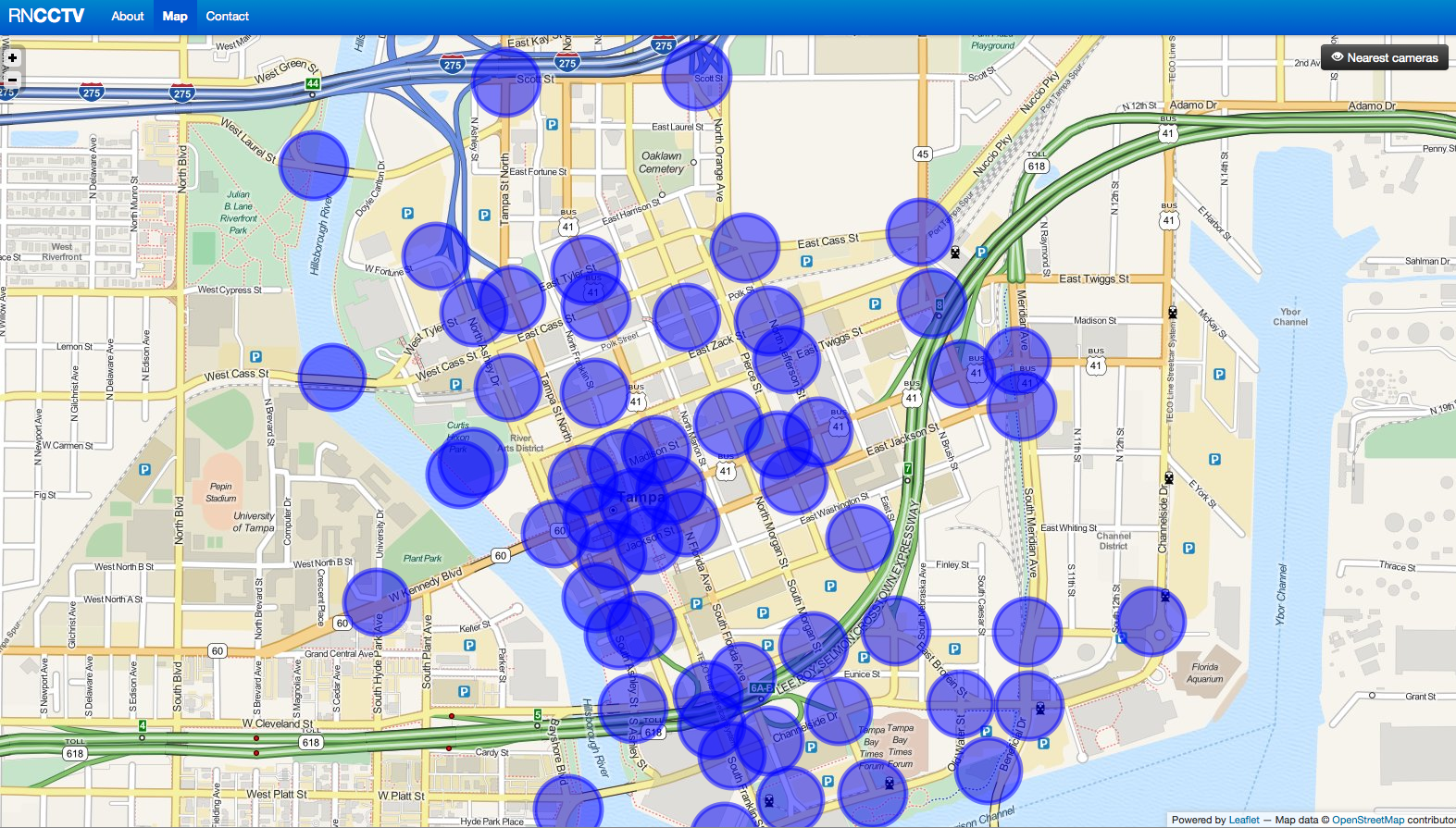
| Just a few red light cameras in the Tampa Bay area |
The 10 News Investigators discovered the Florida Department of Transportation (FDOT) quietly changed the state's policy on yellow intervals in 2011, reducing the minimum below federal recommendations. The rule change was followed by engineers, both from FDOT and local municipalities, collaborating to shorten the length of yellow lights at key intersections, specifically those with red light cameras (RLCs).
While yellow light times were reduced by mere fractions of a second, research indicates a half-second reduction in the interval can double the number of RLC citations -- and the revenue they create.Nice work if you can get it. I wonder if there's any connection to those 24 lobbyists in Tallahassee?
Not only the shortened yellows, but right turn on red is another big money maker, despite rolling right turns are involved in less than 1% of accidents according to most stats. In the past, the law enforcement could exercise some judgement on whether you abide by the law. Now, if you stop early, and don't properly stop over the sensors in the road... cha ching!
The state is making money. The municipalities are making money. ATS is making money. They are all collecting more data. They are all now hooked to the millions these cameras bring in to them.
Making money off of you. Where will it end?
At least Jeff Brandes has an idea.